
Irukere (Horsehair Fly Whisk)
A ceremonial fly whisk symbolising royal authority, spiritual leadership and the power to command.
Òrìṣà · Storms & Transformation
Pronounced— AW-YAH
Goddess of Wind, Storms & Transformation

Born a Nupe princess, Ọya was known for her courage, wisdom and mastery of the wind from an early age.
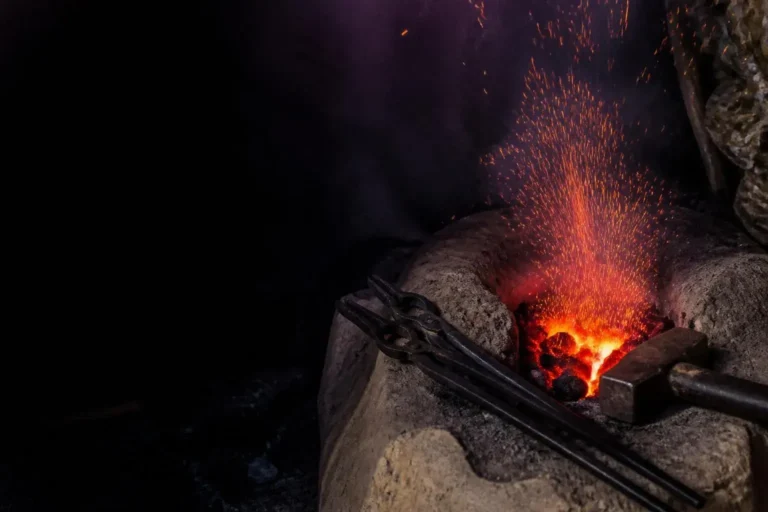
Ọya married Ogun and used her command of the wind to strengthen his forge and his craft.

She later became Ṣàngó's wife, ruling beside him as one of the most powerful women in Yoruba tradition.
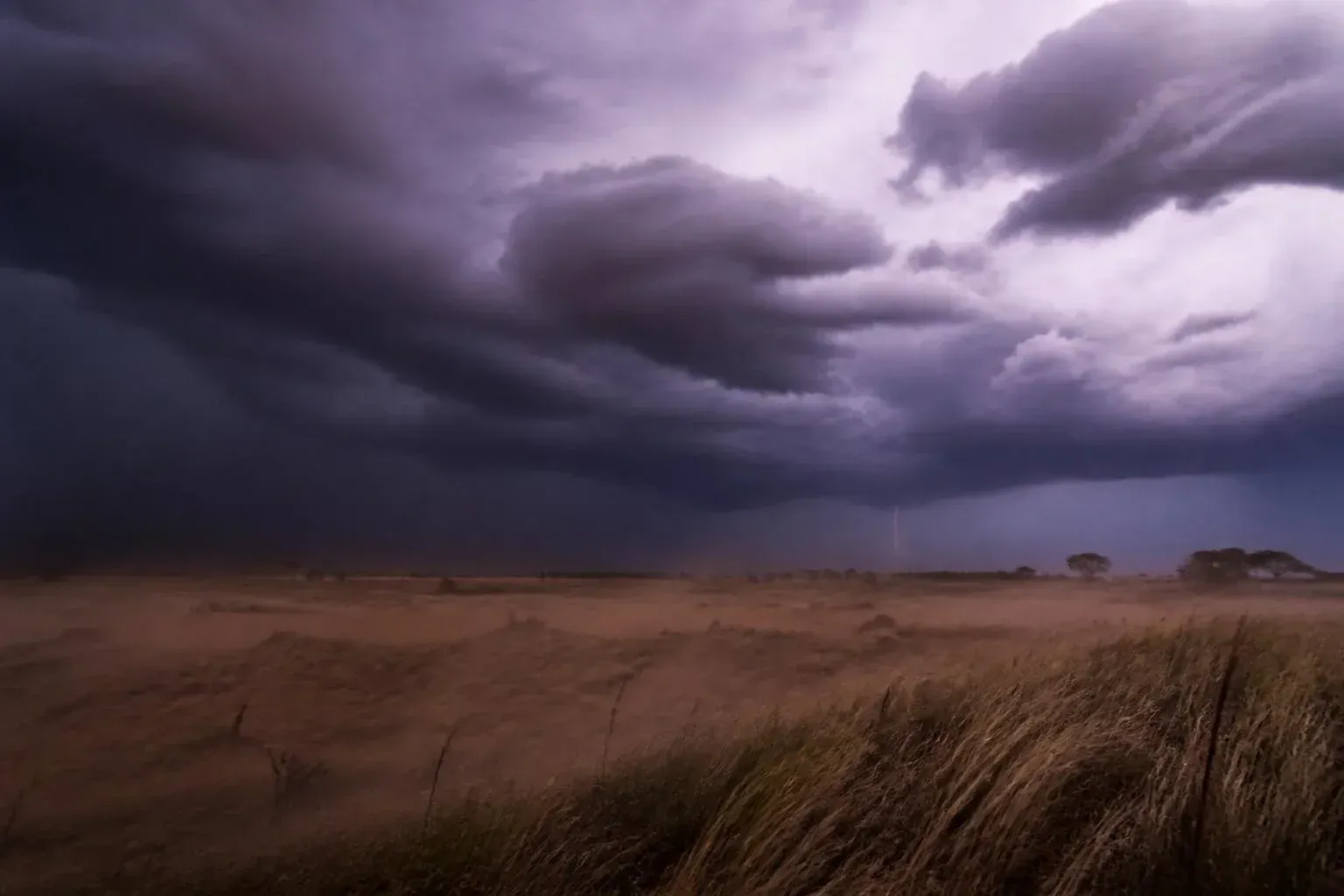
Ọya gained mastery over storms, lightning and fierce winds, becoming a symbol of unstoppable power.

After Ṣàngó's earthly reign ended, Ọya became forever connected with the River Niger and its sacred power.

Today, Ọya is honoured as the Òrìṣà of storms, transformation and the gateway between life and death.
A ceremonial fly whisk symbolising royal authority, spiritual leadership and the power to command.
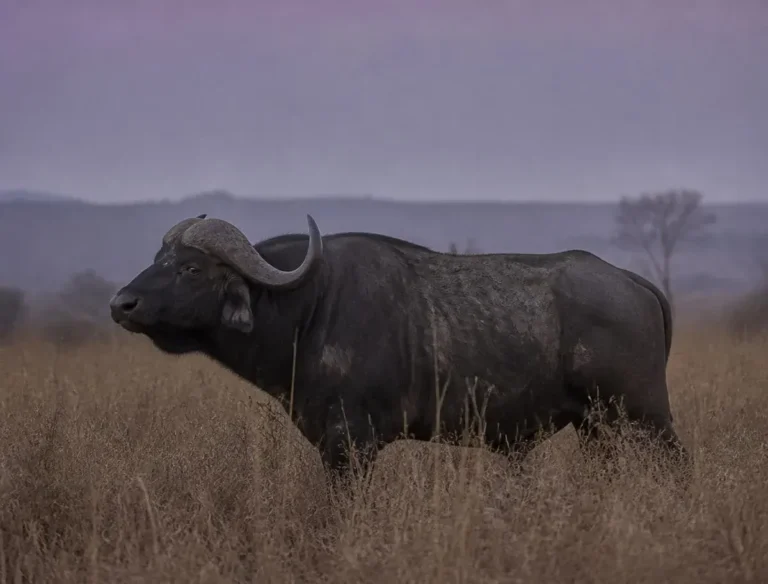
Many traditions describe Ọya as transforming into a buffalo, representing strength, protection and fierce independence.

Ọya is closely connected to the River Niger, regarded as her sacred river and source of life-giving power.

Colours associated with mystery, storms, transformation and spiritual power.
She summons and controls wind at will from a breeze to a hurricane.
She brings the lightning before Ṣàngó brings the thunder.
She transforms into a buffalo, a form she used to escape detection.
She protects the boundary between the living and the ancestors, guiding souls onward.
Ọya hid her buffalo skin to walk among humans; when its location was exposed, she reclaimed her untamed power.
Unlike Ọṣun or Ọbà, Ọya did not wait, she matched Ṣàngó's energy and fought at his side as an equal.
The Egungun masquerade, the festival of the ancestral dead, is under her protection.
Ọya is associated with nine. Some traditions say she bore nine children who became rivers.
Ọya is worshipped across West Africa, Cuba (as Oyá or Iansã), and Brazil (as Iansã in Candomblé). Her devotees often wear purple, and her rituals involve wind, fire, and the honouring of the dead.
Aubergine (Eggplant)
Red Wine
Purple fabric
Cowrie shells
Copper objects
Annually, varies
February

Ọya's story is not about being caught between two gods, it is about knowing exactly which fire she wanted to walk into.
Read The Full Story →